
Handmade carpets are crafted through a labor-intensive process that involves several steps. Here is a general overview:
- Design and Pattern Creation: The process begins with the design and pattern creation. Skilled artisans or designers develop intricate patterns and motifs that will be used to create the carpet.
- Selecting and Preparing the Material: The material used for handmade carpets can vary, but wool is commonly used due to its durability and softness. The wool is carefully selected and then washed, carded, and spun into yarn.
- Dyeing the Yarn: The yarn is usually dyed using natural or synthetic dyes. Natural dyes are derived from plants, insects, or minerals, while synthetic dyes offer a wider range of colors. The yarn is immersed in the dye bath, dried, and then wound into skeins.
- Setting up the Loom: The loom is prepared according to the desired size and design of the carpet. The vertical warp threads are stretched tightly onto the loom, creating the foundation for the carpet.
- Knotting the Pile: The artisans use a technique called knotting to create the pile of the carpet. They tie individual knots around pairs of warp threads, securing the yarn in place. Depending on the desired density, the knots can be tied tightly or loosely.
Handmade Carpets
- Weaving the Carpet: With the loom set up and the knots in place, the weaver begins the process of weaving the carpet. Using a combination of knots and rows, they meticulously create the intricate patterns and motifs.
- Trimming and Finishing: Once the weaving is complete, the carpet is carefully removed from the loom. The pile is then trimmed to an even height, and any irregularities are corrected. The edges are reinforced and fringes are added, if desired.
- Washing and Final Touches: The carpet is thoroughly washed to remove any excess dye or dirt. It is then dried under the sun or in a specialized drying room. Finally, the carpet is inspected for quality, and any necessary final touches, such as stretching or blocking, are made before it is ready for sale.
Handmade carpets require skilled craftsmanship, precision, and creativity. The entire process can take weeks, months, or even years, depending on the size, complexity, and intricacy of the design.
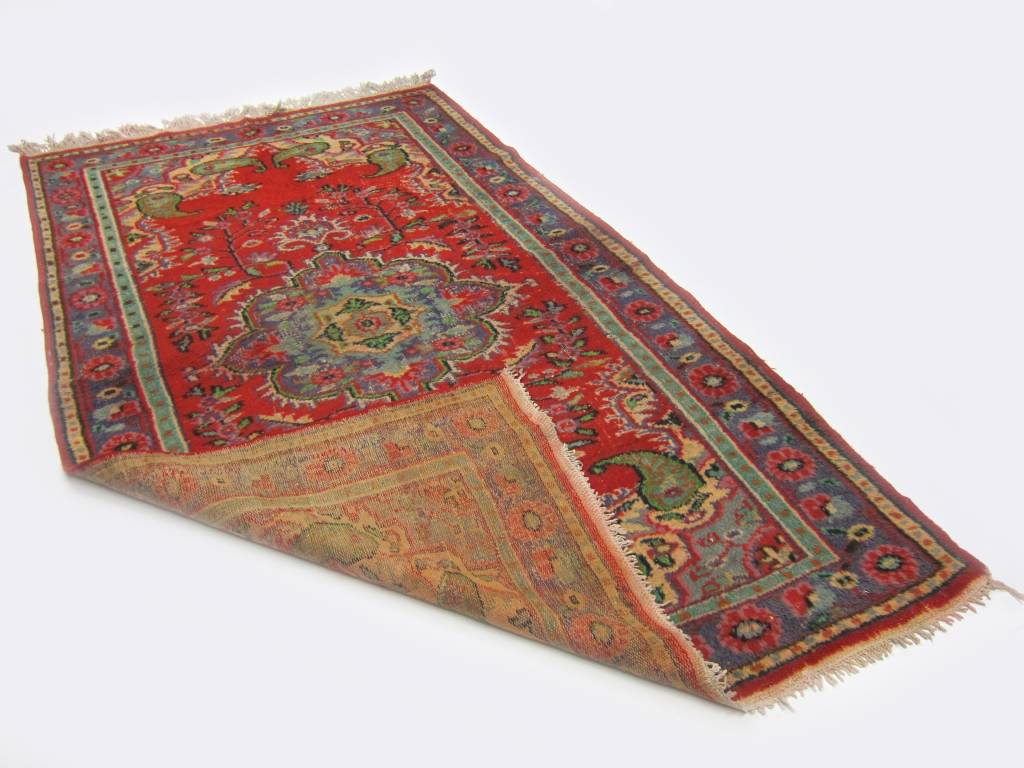
Are handmade carpets natural?
Yes, handmade carpets are typically considered natural. They are often made from natural fibers such as wool, silk, cotton, jute, or sisal. These natural materials are derived from plants or animals and are processed without the use of synthetic chemicals or additives. Handmade carpets are crafted by hand using traditional techniques, which further emphasizes their natural and artisanal qualities.
Are handmade carpets healthy?
Handmade carpets can generally be considered healthy for several reasons:
- Natural Materials: Many handmade carpets are crafted using natural materials such as wool, silk, or cotton. These materials are breathable and do not emit harmful chemicals or gases that can contribute to indoor air pollution.
- Non-Toxic Dyes: Handmade carpets often feature natural or plant-based dyes, which are generally considered safe and non-toxic. This is in contrast to mass-produced carpets that may be treated with synthetic dyes containing potentially harmful chemicals.
- Hypoallergenic: Carpets made from natural materials like wool can be hypoallergenic, meaning they are less likely to trigger allergies or sensitivities. Wool, in particular, can resist the growth of mold, mildew, and dust mites, which can be common allergens.
- Durability: Handmade carpets are typically crafted using traditional techniques that result in a durable and long-lasting product. This can reduce the need for replacement and minimize the accumulation of dust and allergens that can be associated with older or worn-out carpets.
However, it’s important to note that the overall healthiness of a carpet also depends on proper maintenance and regular cleaning. Regular vacuuming, spot cleaning, and professional cleaning can help keep a handmade carpet in good condition and minimize the accumulation of allergens or pollutants. Additionally, individual sensitivities or allergies may vary, so it’s always a good idea to test your tolerance to different materials before making a purchase.